Crime Fiction: Hollywood's Most Bankable Genre in 2027
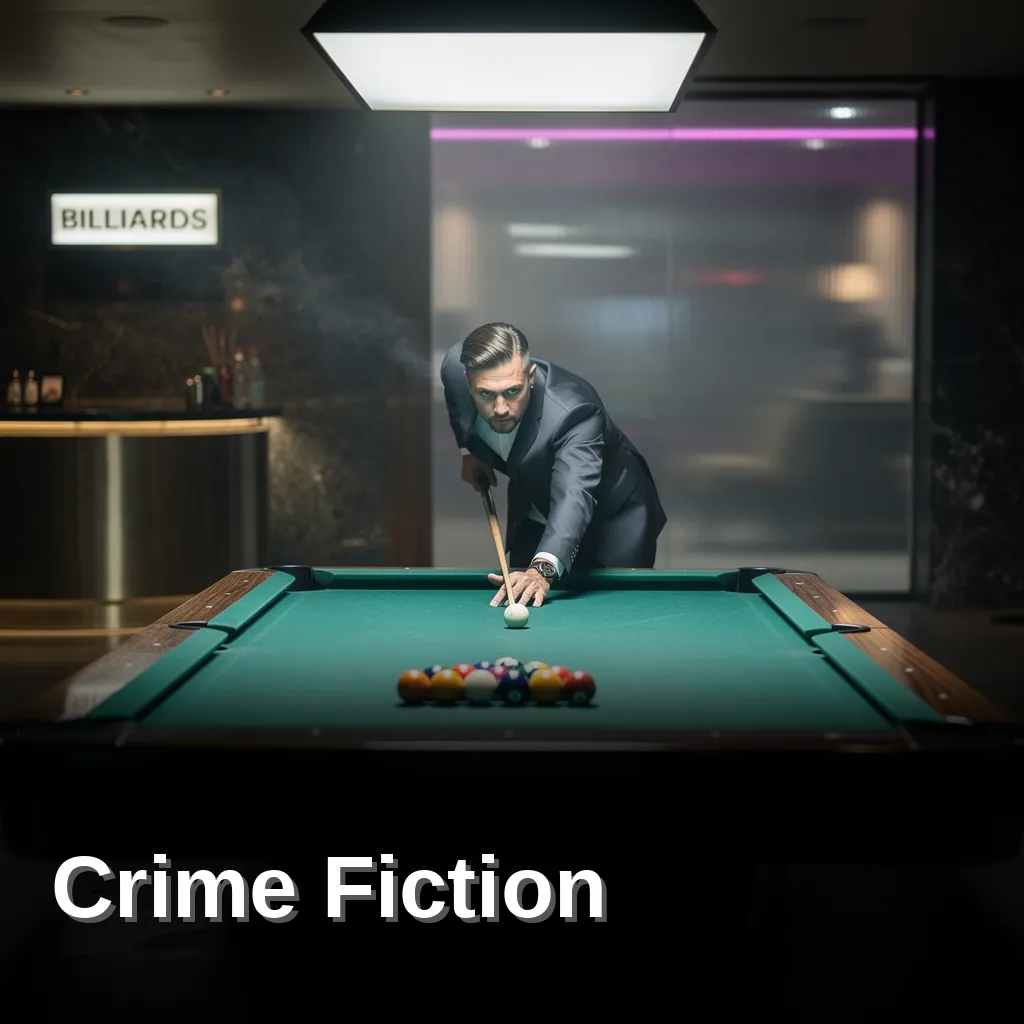
Crime fiction Hollywood 2027 bets are dominating the box office for a simple reason: the genre already outsells nearly every other category in publishing. Global, high-stakes stories like David Sutter's The Hustled—spanning Kansas City pool halls to a globally televised Monaco showdown—prove audiences crave redemption wrapped in danger and spectacle.
Key Takeaways

- Crime fiction dominates bestseller lists with eight of fifteen New York Times spots consistently claimed by the genre.
- Readers gravitate toward crime narratives for psychological depth, tight storytelling structure, and embedded social awareness beyond surface entertainment.
- The genre's rapid evolution—from whodunits to noir to psychological thrillers—proves its ability to reinvent and captivate audiences continuously.
- High-stakes crime narratives featuring transformative journeys and moral complexity drive Hollywood's most profitable film productions in 2027.
Why Is Crime Fiction Dominating Hollywood in 2027?
Studios chase crime and thriller stories in 2027 because the genre delivers what streaming algorithms and box office ledgers both reward: built-in tension and proven audience hunger. Crime fiction Hollywood 2027 development slates lean hard into moral complexity, high-stakes gambles, and characters clawing their way out of the underworld. That appetite isn't a passing trend—it's a response to sustained reader demand that publishing has tracked for years, one entertainment executives can no longer ignore.
Does book demand actually predict screen success?
Publishing numbers suggest yes. Crime fiction has built sustained retail strength over the years, signaling reader loyalty rather than a passing fad. When a genre commands that kind of staying power, studios treat it as a low-risk bet. The audience already exists before a single frame gets shot.
Why do crime thrillers keep topping bestseller charts?
Crime and thriller titles simply crowd out the competition. Literature Lust reported that in July 2024, eight of the 15 books on the New York Times combined print and e-book fiction bestseller list were crime or thriller fiction — more than half the chart. That dominance on the page is exactly the signal that turns bankable movie genres 2027 conversations toward the crime shelf first.
This convergence explains why properties positioned as high-concept thrillers draw early attention from rights buyers. The Hustled fits that mold: a story built for adaptation, with a screenplay pitch and rights opportunity already staged for the kind of crime thriller box office trends studios are betting on. Among book to screen crime adaptations, the ones built around high stakes crime films and underdog redemption stories cinema carry the clearest path from page to greenlight — proven readership, proven tension, ready for the screen.

What Makes Underdog Redemption Stories So Bankable?
Redemption arcs sell because audiences want proof that transformation is possible. A kid with nothing becomes a master of his craft. That trajectory taps something studios chase every development cycle: a hero worth betting on. Cav's path from a teen outcast in Kansas City to a world-class pool strategist is exactly this kind of arc, the engine behind underdog redemption stories cinema in The Hustled. He doesn't inherit skill or status. He earns both, one dangerous match at a time, which gives viewers a stake in every frame.
Why do redemption arcs perform so well at the box office?
Rebellion against fate resonates because most people feel boxed in by circumstance at some point. The Hustled structures its entire narrative around defiance. The pursuit of triumph against long odds, a spirit that mirrors crime thriller box office trends favoring characters who refuse the roles assigned to them. That tone of rebellion, paired with high-stakes games and transformative stakes, gives the story emotional traction beyond the pool hall.
What psychological need do these stories satisfy?
Crime fiction lets readers step into chaos without paying its real-world price. Danger, betrayal, and risk unfold at a safe distance, letting the audience feel the tension while staying untouched by it. That controlled exposure explains why high stakes crime films built on gambling, obsession, and survival keep drawing crowds back.
Three elements make this formula repeatable for studios eyeing crime fiction Hollywood 2027 slates:
- A protagonist starting from genuine disadvantage, not manufactured hardship
- Escalating stakes that force irreversible choices
- A world dangerous enough to feel real, controlled enough to feel safe
That combination is why bankable movie genres 2027 forecasts keep circling back to redemption-driven crime narratives.

Why Do High-Stakes Crime Films Hook Audiences?
A single decisive contest, with everything riding on it, pulls an audience into the frame and refuses to let go. High stakes crime films thrive on that kind of narrow, unbearable pressure — one match, one night, one wrong move. The Hustled builds its entire structure around this principle, most visibly in the globally televised nine-ball showdown in Monaco between Cav and Hotel-Casino Versailles owner Gustave LaBlanc. Everything Cav has built — his skill, his reputation, his survival — funnels into that single game.
What Makes a Crime Story Feel High-Stakes Before the Final Showdown?
Tension rarely arrives fully formed. Cav's earlier pool match in Rio de Janeiro against kingpin billionaire Marco works as a pressure test, forcing him to prove himself against real danger before Monaco ever comes into view. That escalation — smaller threat first, existential threat later — is what separates crime thriller box office trends built to last from stories that peak too early.
Why Do Audiences Keep Returning to Crime Stories?
The pull runs deeper than plot mechanics. According to Why Crime Novels Are Popular: Psychology, Reader Appeal & Sub-Genre Guide, the genre satisfies psychological needs including emotional release, moral reflection, and problem-solving. Audiences watch a hustler like Cav navigate danger and get to feel:
- The release of vicarious risk, without real consequence
- A moral gut-check on ambition versus loyalty
- The satisfaction of watching a tactician solve an impossible puzzle
That combination — Rio's danger, Monaco's spectacle, and a hustler's redemption arc — is exactly what underdog redemption stories cinema and book to screen crime adaptations are built to deliver on screen.

Are Book-to-Screen Crime Adaptations Hollywood's Safest Bet?

Studios chase proven material because readers already vote with their wallets. Crime fiction Hollywood 2027 development slates lean hard on this logic: crime and thriller fiction consistently rank among the top-selling categories in publishing. That built-in audience turns a manuscript into a pre-tested asset before a single frame gets shot.
The Hustled illustrates the pattern in an unusual direction. David Sutter wrote the story as a screenplay in 2017, long before shaping it into a novel — a reversal of the typical book to screen crime adaptations pipeline, where the page usually comes first. The story follows Cav, a pool hustler from Kansas City navigating danger and redemption, the kind of premise that thrives across both formats because the tension survives translation.
Why do crime stories adapt so well across formats?
Crime narratives carry built-in structure: stakes, a ticking clock, a protagonist with something to lose. That scaffolding holds up whether the audience reads it or watches it, which is part of why underdog redemption stories cinema keeps returning to the genre.
What makes a project attractive to industry buyers?
Comparables matter. The Hustled positions itself alongside prestige titles including Succession, Ozark, The Firm, and Arbitrage — signaling to buyers where it sits among high stakes crime films with proven audiences. The project also promotes its screenplay pitch. Rights opportunity directly to industry buyers, rather than waiting to be discovered.
For entertainment observers tracking crime thriller box office trends, that dual-format pedigree — screenplay first, novel second — offers a rare case study in how source material gets built for adaptation from day one.
What Should Crime Thriller Fans Watch For Next?

Momentum builds around The Hustled as one of the stories poised to define crime fiction Hollywood 2027 conversations. Cav's climb from teenage outcast to pool-hustling tactician carries the kind of underdog arc that anchors bankable movie genres 2027 lists, and the story's romantic thread with Esmeralda — a woman of nobility and global fame — gives it a dimension beyond the felt-and-chalk world of the hustle. That combination of danger and desire is exactly what fuels crime thriller box office trends heading into the next cycle.
Why does The Hustled fit the current wave of book to screen crime adaptations?
Scope matters. The narrative doesn't sit still in one city or one class of characters. It stretches from small-town Kansas City to Monte Carlo, tracking Cav through pool halls, casinos, and the world of international wealth. That geographic and social sweep gives book to screen crime adaptations built from this material a cinematic canvas rarely found in smaller-stakes crime stories.
What makes it one of the high stakes crime films fans should track?
Money, pride, and obsession collide at every turn. The stakes escalate from local hustles to globally televised matches against billionaire rivals, the kind of tension that defines high stakes crime films and keeps audiences leaning forward.
Fans looking to experience the world now have options:
- Order the print edition of the book
- Read the opening chapters at no cost before committing
- Watch for audio and additional formats as the next step in the story's rollout
Between the romance, the redemption arc, and the international stakes, The Hustled offers underdog redemption stories cinema audiences a fresh contender worth following closely.
Conclusion

In closing, crime fiction's dominance in 2027 stems from audiences craving narratives that mirror our own high-stakes reality—stories where ordinary people navigate extraordinary danger and emerge transformed. The Hustled embodies this hunger perfectly, delivering a masterclass in tension and redemption through Cav's relentless ascent from Kansas City streets to the glittering tables of Monaco. When audiences witness a protagonist outmaneuvering billionaires and battling their own demons simultaneously, they don't just watch a film—they experience the raw authenticity that makes crime narratives Hollywood's most bankable currency.